ChatGPT
An advanced AI language model designed for conversational interaction and task assistance.
Overview
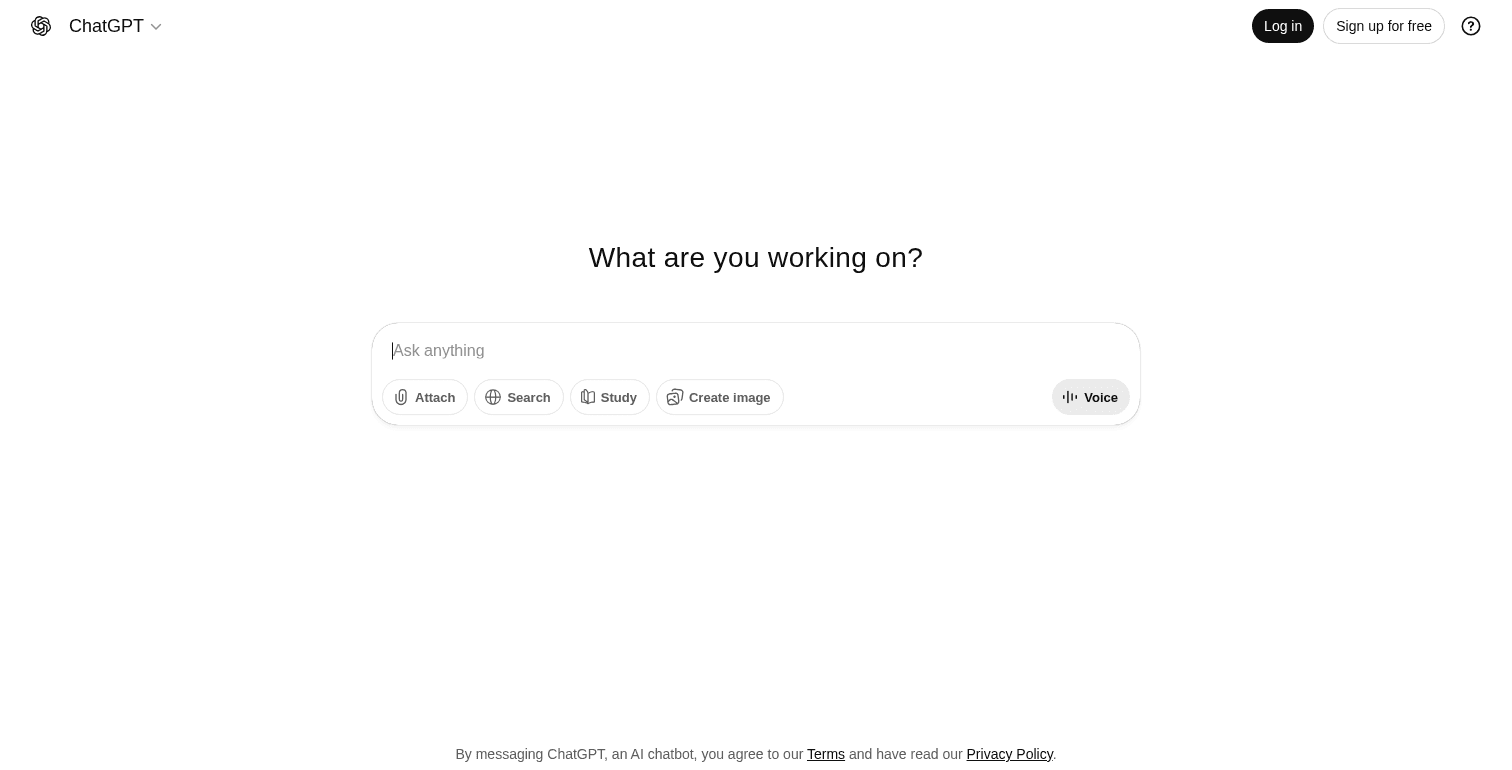
ChatGPT is a large language model developed by OpenAI that allows users to engage in natural language conversations. It is designed to assist with a wide range of tasks, from answering questions and writing content to solving complex problems across various domains.
The tool is utilized by individuals, professionals, and businesses to streamline workflows, generate creative ideas, and provide instant information. It serves as a versatile assistant for anyone looking to leverage generative AI in their daily activities.
- Conversational AI: Engages in human-like dialogue to answer questions and provide explanations.
- Content Generation: Drafts emails, essays, code, and creative stories based on user prompts.
- Multi-modal Capabilities: Supports image generation (DALL-E), voice interaction, and file analysis in higher tiers.
- Custom GPTs: Allows users to create or use specialized versions of ChatGPT for specific tasks.
- Web Browsing: Accesses real-time information from the internet to provide up-to-date answers.
ChatGPT is commonly used for content creation, such as generating blog posts, marketing copy, and social media updates. It is also a powerful tool for developers who use it to debug code, write scripts, and explain complex technical concepts.
In a business context, it serves as a productivity booster by summarizing long documents, drafting professional correspondence, and brainstorming strategic initiatives. Its ability to process and analyze uploaded data files makes it useful for basic data analysis and visualization tasks.
Pros & Cons
- Highly versatile across numerous industries and tasks.
- Easy-to-use interface with natural language processing.
- Offers a capable free tier for general users.
- Rapidly evolving with frequent updates and new model releases.
- May occasionally produce inaccurate or 'hallucinated' information.
- Knowledge cutoff for certain models limits information on very recent events.
- Privacy concerns regarding data usage for model training in standard tiers.